
When is it worth replacing a boiler, and when can you still keep the old one?
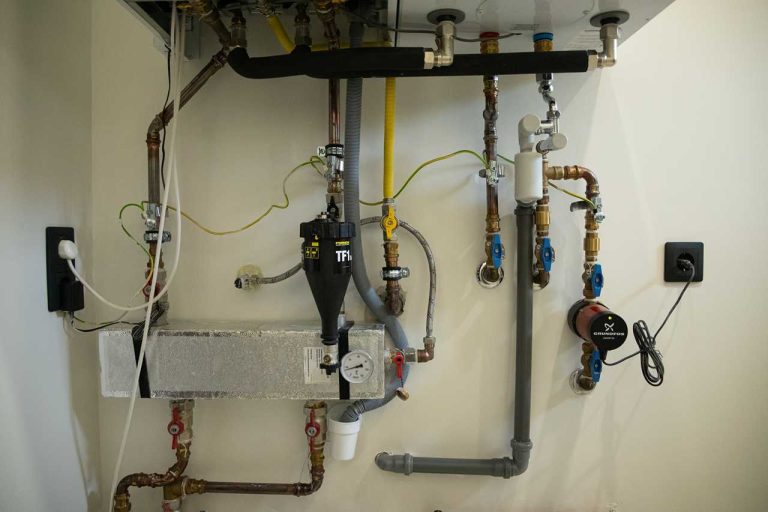
If your boiler is malfunctioning more and more often, has difficulty starting, makes unusual noises, or is simply old, you might be thinking: it’s time to replace it.
However, the right decision is not always so clear-cut.
In the case of an older boiler, it is possible that professional maintenance or repair will ensure proper operation for a long time. In other cases, replacement may be more economical and safer. Therefore, the decision should always be made based on the condition of the device and the entire heating system.
Not every malfunction automatically means boiler replacement
A heating system consists of several interconnected parts. A boiler failure could be caused by worn-out components, dirt, improper system settings, or even a problem with another part of the heating system.
That is why the first step is not necessarily choosing a new device, but rather identifying the exact fault.
A regularly maintained gas appliance can not only operate more reliably, but also consume less. The VGF trade magazine also highlights that periodic inspections of gas appliances are important from both energy consumption and safety perspectives.. Source: VGF magazine
When can boiler replacement be prioritized?
Replacement usually becomes a serious consideration when the device breaks down regularly, is disproportionately expensive to repair, parts are difficult to obtain, or is technically no longer worth considering in the long term.
However, in this case, it is not simply a matter of replacing one boiler with another.
The following should be examined, among others:
- the condition of the existing heating system,
- radiators or other heat emitters,
- the pipe network,
- the flue gas discharge,
- the regulation,
- as well as the actual heat demand of the building.
A well-chosen new device can only function properly if the system around it is suitable for it.
More modern doesn't necessarily mean everything has to be replaced at once
When upgrading the energy efficiency of a family home, a common question is whether it is worth improving the heating system or the building’s thermal insulation first.
An analysis by the Building Engineer shows that there is no single correct order for this, valid for all properties. Replacing the boiler itself can result in energy savings, while the building’s thermal insulation and the modernization of windows and doors also significantly affect the required heating energy.. Source: Building Engineer
So the right decision always starts from the given house.
Gas boiler or other heating system?
With the spread of heat pumps, more and more people are asking the question of whether it is even worth considering a new gas boiler.
There is no one answer to this for every building.
The investment and operating costs of different heating solutions depend on the building’s heat demand, energy prices, system design and many other factors. Therefore, the question is not which technology is “better” in general, but which solution works reasonably in a given house.. Source: Building Engineer
Survey first, then decide
Replacing a boiler can determine the heating of your home for many years, so it is not worth making a decision based solely on the price of the device.
First, you will receive an accurate picture of the condition of your existing heating system and the technical condition of the boiler, taking into account your needs. If the boiler can be repaired and is worth keeping, you will receive clear information about this. And if replacement is the right solution, you will receive the necessary technical steps and the related administration in a coordinated process.
Are you having a boiler problem or are you looking to upgrade? Request a survey and get clear answers on what the sensible next step is.