
Carbon monoxide detector in the family home: a small device that should not be taken lightly
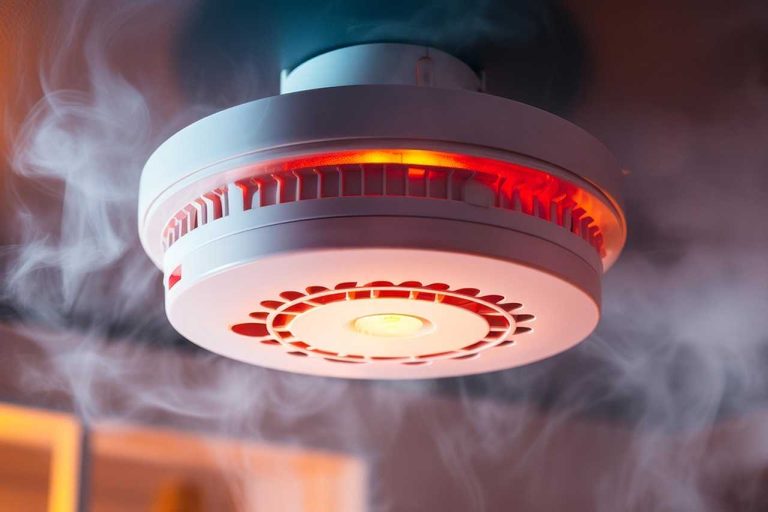
One of the biggest dangers of carbon monoxide is that it’s hard to detect. It’s a colorless, odorless gas, so you can’t see or smell it if it’s in the air in dangerous amounts.
That’s why a proper carbon monoxide detector can be an important part of the safety of a home with a heating system.
But it doesn’t matter in itself what device you choose and where you put it.
How can carbon monoxide be produced?
For combustion equipment to function properly, adequate combustion air and safe exhaust of combustion products are required.
If combustion takes place under unsuitable conditions, incomplete combustion may occur, which may produce carbon monoxide. Several professional materials in the VGF trade journal draw attention to the fact that air supply problems, flue gas backflow or a neglected appliance can increase the risk of danger.. Source: VGF magazine
Therefore, protection does not end with installing a sensor.
The proper condition of the heating system, regular inspections by a professional, and the sensor together provide a substantial safety background.
It doesn't matter what sensor you buy.
A carbon monoxide alarm is a safety device that may be necessary in an emergency.
When choosing the right product, it is therefore not worth deciding solely based on price.
VGF’s professional materials also point out that when choosing carbon monoxide detectors, it is important to choose a reliable, verifiable product and to comply with the manufacturer’s specifications.. Source: VGF magazine
This also shows why it is worth choosing carefully and, if in doubt, seeking professional help.
Placement is as important as the device itself
Even the best sensor cannot function properly if it is placed in the wrong place.
According to the VGF professional summary, the location of the combustion device, the design of the room and the ability to hear the alarm from the sleeping areas should be taken into account when placing the detector. It is not advisable to install the detector in a drafty place, in the immediate vicinity of an extractor fan or in an area where furniture, curtains or other objects may obstruct the air flow.. Source: VGF magazine
For specific placement, the manufacturer’s instructions for the given device must always be followed.
What should you do if he speaks up?
An alarm should never be treated as a simple false alarm.
In the event of an alarm, it is important to ventilate the premises, turn off the combustion equipment, leave the building and, if necessary, call for help. The appliance must not be put back into use until it has been checked by a specialist.. Source: VGF magazine
The sensor is not a substitute for maintenance.
This is one of the most important differences.
The purpose of a carbon monoxide alarm is to warn you of danger. It does not repair the boiler, clean the heat exchanger, or solve the problem of flue gas discharge.
The real goal is not only to detect the danger in time, but also to minimize the risk of its occurrence.
This includes regular inspection and maintenance of the gas appliance.. Source: VGF magazine
In addition to the professional installation of your gas and carbon monoxide detector, you will also receive a check on the condition of your heating system and gas appliance in one place.
Don’t wait until the alarm sounds. Have your heating system and gas appliances checked in a timely manner.